
Transforming Eyewear Shopping into a Fun Adventure for Kids

Updated: Dec 8, 2025
Getting a Child to Wear Glasses: Expert Tips for Parents
Getting a child to wear their glasses consistently can be a real challenge for many parents. Whether it's due to discomfort, self-consciousness, or simply forgetfulness, children often resist wearing their glasses. This is despite the fact that clear vision is essential for learning, development, and confidence.
As eye care professionals, we understand both the medical and emotional sides of this issue. We’ll share expert-backed tips to help parents make glasses-wearing a positive habit for kids. We will also highlight why consistent wear is crucial for eye health.
Why It’s Important for Kids to Wear Their Glasses

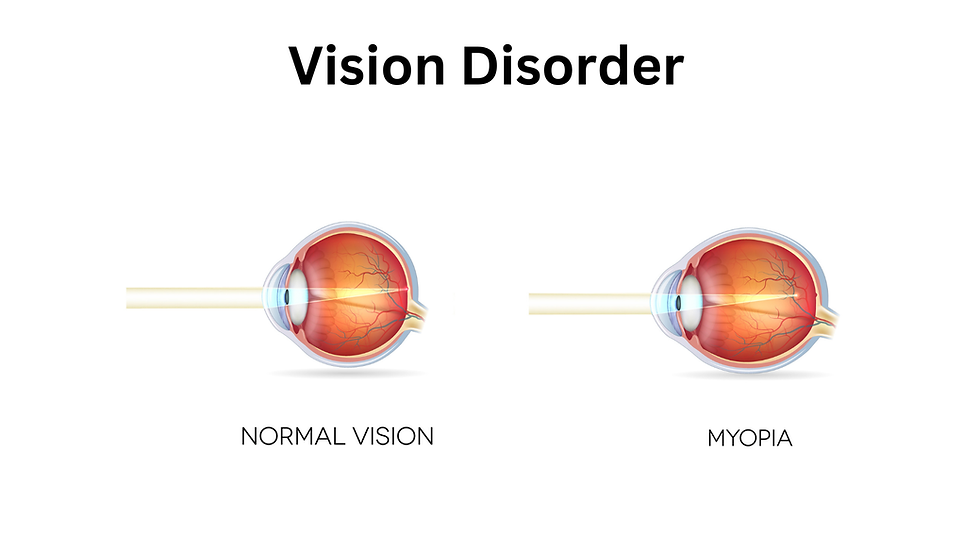
Children’s eyes are still developing. If a child has refractive errors such as myopia (nearsightedness), hyperopia (farsightedness), or astigmatism, not wearing glasses can lead to poor academic performance, eye strain, and even long-term vision problems like amblyopia (lazy eye).
Wearing prescribed eyewear allows the brain and eyes to work together properly. This supports not just vision, but also motor skills, focus, and confidence in the classroom.
Common Reasons Kids Avoid Glasses
Discomfort or poor fit
Embarrassment or teasing
Lack of understanding of the benefits
Limited choice or dislike of frames
Forgetting or losing them

Recognizing the underlying reason is the first step in helping your child embrace their glasses.
Eye Care Professional Tips to Help Your Child Wear Glasses Regularly
1. Let Them Choose Their Own Frames
Empower your child by letting them pick out frames they like. When kids feel involved in the process and wear glasses that match their personality or favorite color, they’re more likely to wear them proudly.

2. Ensure a Proper Fit
If glasses are too tight, slide down their nose, or press against their ears, they’ll resist wearing them. An optician can help make sure the fit is right and adjust frames as your child grows.
3. Introduce Glasses Gradually
Start with short periods during screen time or reading. Gradually increase wear time throughout the day. This helps kids adjust to the sensation of wearing glasses.
4. Lead by Example
If you wear glasses, show your child that it’s completely normal. Children often mimic their parents, so wear your own glasses confidently around them.
5. Use Positive Reinforcement
Celebrate milestones, whether it's a full day of wear or remembering to put them on without being told. Small rewards or praise can create positive associations.
6. Address Peer Pressure or Bullying
If your child feels embarrassed or is being teased, talk openly with them and their teachers. Share books or shows featuring characters who wear glasses to help them feel more comfortable.
7. Make It Routine
Include putting on glasses in the morning and taking them off at night as part of your child’s daily routine, just like brushing their teeth.
When to Seek Professional Help

If your child continues to resist wearing glasses, it may be due to an inaccurate prescription or an underlying issue like double vision or eye fatigue. A follow-up with your optometrist can help resolve any concerns and re-educate your child on the importance of their eyewear.
Conclusion
Helping your child wear their glasses regularly takes patience, encouragement, and the right support system. By making eyewear a positive part of your child’s identity and routine, you’re investing in their visual development, confidence, and academic success.
Clear vision is a gift—let’s help children embrace it, one pair of glasses at a time.



Comments